
Celina TX Neighborhood Guide: What to Know Before You Move in 2026
Celina has shifted from quiet farm town to fast-growing suburban hub in just a few years. According to City of Celina estimates, the city now counts more than 35,000 residents as of 2024, up dramatically from 6,000 in 2010. That surge is reshaping neighborhoods from Light Farms to Mustang Lakes and the historic Downtown Celina Square. Understanding schools, commuting routes, new master-planned communities, and future infrastructure is essential for anyone evaluating this Celina TX neighborhood guide for a 2026 move.
What defines Celina’s neighborhoods going into 2026?
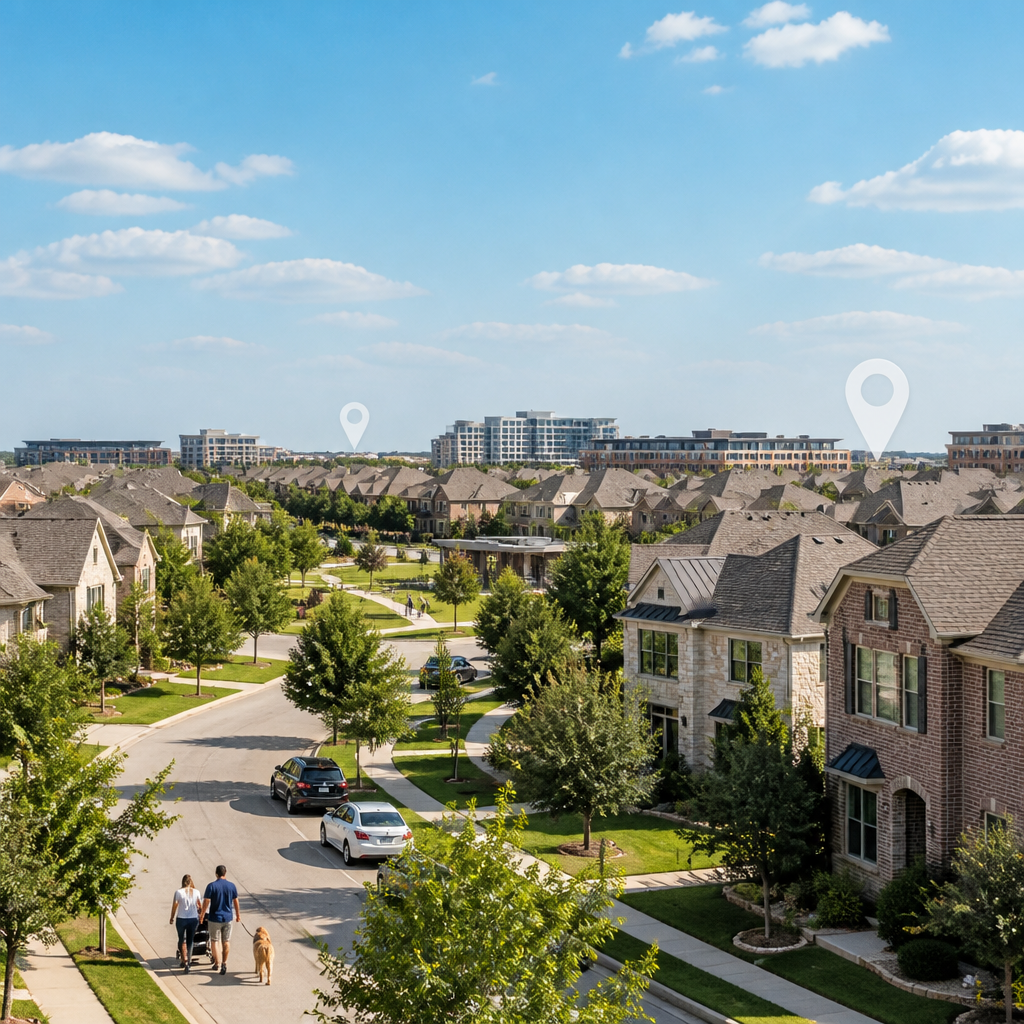
Celina’s growth centers around several master-planned communities and the historic core near West Pecan Street and North Louisiana Drive. Light Farms, located off Preston Road, offers multiple villages, on-site schools, and extensive amenities. Mustang Lakes, just east of FM 2478, focuses on larger homes and resort-style facilities. According to North Central Texas Council of Governments forecasts, the broader area could more than double again by 2045, influencing land use patterns and long-term neighborhood character.
Historic Downtown Celina around the Celina Square still preserves early 1900s storefronts while integrating new restaurants like Tender Smokehouse and eateries along Maple Street. Mature streets such as Colorado Street and Ash Street feature a mix of renovated cottages and newer infill builds. This blend attracts residents seeking character homes within walking distance of events on the square, including Friday Night Market and seasonal festivals. In contrast, new subdivisions closer to the Dallas North Tollway extension deliver larger floor plans, HOA-managed amenities, and wider streets.
Neighborhoods also differ by lot sizes and community standards. Light Farms and Ownsby Farms emphasize planned walking trails, pocket parks, and HOA design guidelines. Developments such as Chalk Hill and Bluewood, near Celina High School on FM 428, often feature smaller lots but newer construction and energy-efficient designs. According to Walk Score, Celina as a whole currently scores around 8 for walkability, meaning most residents rely on vehicles, although internal paths within these communities encourage walking and biking.
On a clear fall evening in Downtown Celina Square, string lights reflect off the brick façades along North Ohio Drive while live country music spills from the patio of Rollertown Beerworks. The smoky aroma from Tender Smokehouse drifts across Walnut Street, mixing with the sweetness of kettle corn from a nearby vendor stand. Children race across the lawn in front of the Celina Star monument, and the low murmur of conversation softens as the courthouse clock tower glows against the darkening sky.
How do schools and education options shape this Celina TX neighborhood guide?
Celina Independent School District (Celina ISD) is a major draw for many incoming households. According to Celina ISD, the district now operates multiple campuses including Celina High School, Celina Junior High, Lykins Elementary, O’Dell Elementary, and Martine Elementary. New schools are planned as enrollment climbs past 4,000 students. Many master-planned neighborhoods in the Celina ETJ, such as Light Farms and Mosaic, are currently zoned to Prosper ISD campuses, which also rank highly in regional comparisons.
School ratings help differentiate specific areas. For example, GreatSchools recently rated Celina High School 8 out of 10 for college readiness and test scores, reflecting strong academic performance compared with statewide averages. Elementary schools like Lykins Elementary near Frontier Parkway also receive favorable parent reviews for student support and extracurricular offerings. Families assessing this Celina TX neighborhood guide often focus heavily on attendance zones and potential boundary adjustments as new campuses open.
Proximity to schools shapes daily routines and traffic patterns. Homes along Frontier Parkway near Celina High School experience morning and afternoon surges around drop-off and pick-up. Neighborhoods like Glen Crossing, closer to O’Dell Elementary on South Coit Road, enable shorter car lines and quicker access. According to NCTCOG transportation profiles, school-related trips can account for more than 10% of peak-hour traffic volumes in growing suburban corridors, which matters when evaluating commute windows and bus routes.
Private and charter options remain more limited directly within Celina city limits but expand within a 15-mile radius. Families sometimes consider schools in Prosper, Frisco, or McKinney for specialized programs, especially along the Preston Road and Custer Road corridors. According to U.S. Census Bureau education data for Collin County, more than 50% of adults hold at least a bachelor’s degree, a factor that often correlates with demand for advanced placement courses, STEM programs, and competitive athletic facilities at schools serving Celina neighborhoods.
What amenities, parks, and recreation stand out across Celina?
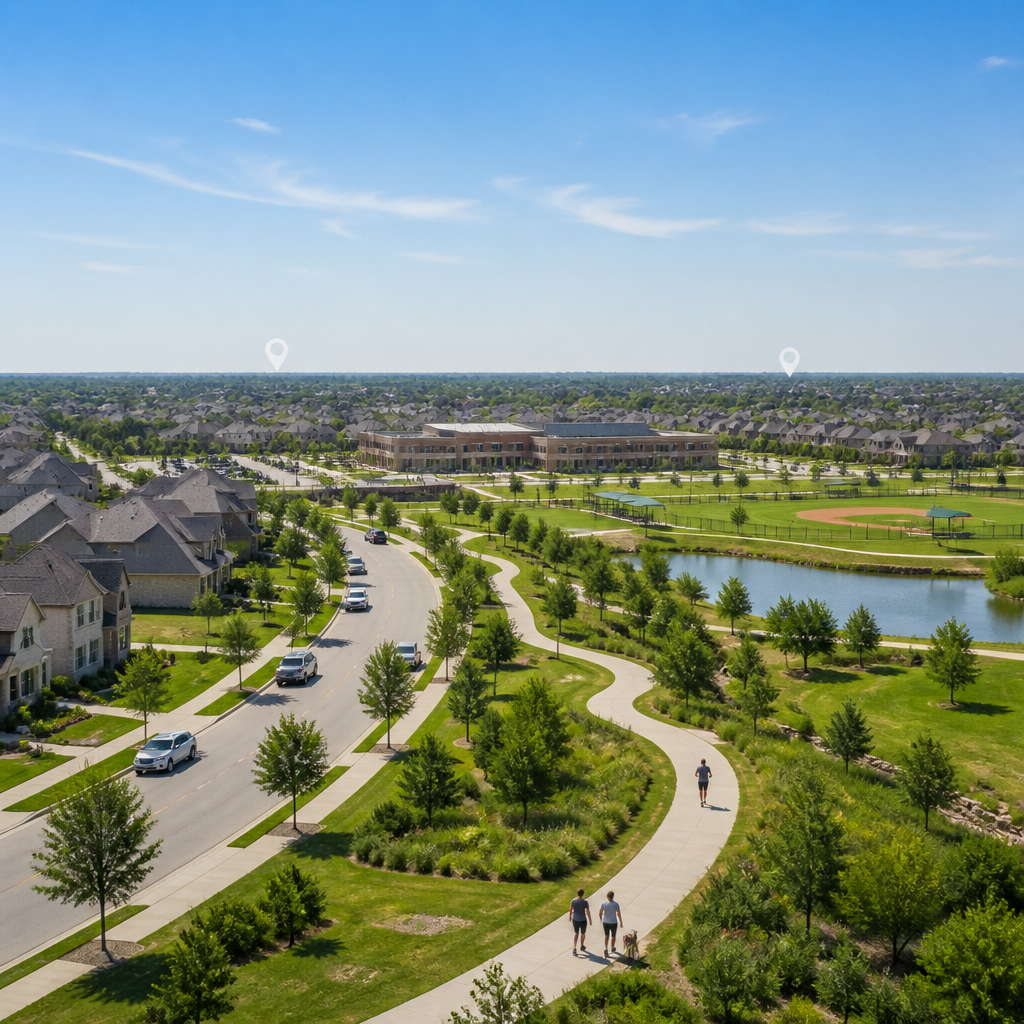
Recreation opportunities help distinguish one Celina neighborhood from another. Old Celina Park on East Pecan Street features multiple baseball fields, soccer pitches, playgrounds, and a fishing pond. According to the City of Celina Parks and Recreation Department, the park system now includes over 100 acres of developed parkland, with plans for additional community parks within new subdivisions. These facilities anchor youth sports leagues and weekend events that draw residents from Mustang Lakes, Highpoint Estates, and Carter Ranch.
Master-planned communities layer private amenities on top of public parks. Mustang Lakes includes a resort-style pool complex, tennis courts, and a clubhouse converted from a former horse ranch building. Light Farms offers multiple pools, a central lake, dog parks, and miles of trails. According to developer materials summarized by Redfin, amenity-rich communities in the Celina area often command price premiums of 5% to 15% over nearby subdivisions without similar features.
On weekend mornings around Old Celina Park, the sharp crack of aluminum bats echoes across the open fields while the smell of freshly cut grass mingles with grill smoke from early tailgaters along FM 455. Sunlight glints off the surface of the small fishing pond as kids cast lines from the rocky edge. The distant hum of traffic on Preston Road fades beneath whistles from soccer referees and the rhythmic thump of basketballs on the adjacent outdoor courts.
Dining and entertainment options continue to expand alongside recreational spaces. Downtown Celina Square now features restaurants like Lucy’s on the Square, Bongo Beaux’s, and various food trucks parked along the side streets during events. Rollertown Beerworks on North Oklahoma Drive adds live music and local craft beer to the mix. Within a short drive, residents also access major retail hubs along US 380 in Prosper and along Preston Road in Frisco, including Stonebriar Centre and The Star, broadening shopping and entertainment choices beyond Celina’s immediate boundaries.
How does commuting and transportation work for Celina residents?
Transportation planning heavily influences neighborhood decisions within this Celina TX neighborhood guide. Preston Road (State Highway 289) remains the primary north–south artery through town, connecting Celina to Prosper and Frisco. According to TxDOT and NTTA project updates, the Dallas North Tollway extension moving north of US 380 will gradually improve high-speed access toward Celina, reducing travel times to Plano and Dallas for many commuters over the next several years.
At present, commute expectations vary by starting point. Residents in southern neighborhoods near the frontier with Prosper, such as sections of Light Farms and Sutton Fields, often reach US 380 in about 10 to 15 minutes during typical conditions. Those living closer to Downtown Celina or north of FM 455 may require 20 to 25 minutes to reach the same corridor. According to NCTCOG regional travel surveys, average one-way commute times in Collin County hover around 30 minutes, with longer durations for those driving into central Dallas.
Public transit options remain very limited. Celina currently does not fall within the standard DART service area, so most residents rely on personal vehicles or employer shuttles. Some households choose neighborhoods with easier access to major arterials such as Coit Road, Custer Road, and the Collin County Outer Loop corridor for flexibility. Future transportation plans, highlighted in Mobility 2050, envision regional roadway expansions that could further improve connectivity from Celina to employment centers in Frisco, Plano, and Richardson.
Daily life also involves shorter local drives. Trips from Downtown Celina to Old Celina Park take roughly five minutes along East Pecan Street, while reaching Mustang Lakes via FM 1461 generally requires about 12 to 15 minutes depending on traffic. Grocery runs to stores on Preston Road in Prosper or to big-box retailers near US 380 typically take 20 to 25 minutes from northern Celina neighborhoods. These timeframes influence fuel budgets and shape decisions about where to live relative to schools, parks, and major employers.
What should buyers know about housing, costs, and future growth in Celina?
Housing in Celina ranges from historic cottages near Tennessee Street to expansive new construction in communities like Chalk Hill, Green Meadows, and Mosaic. According to Redfin, as of early 2025 many single-family homes in Celina trade in a broad range from $450,000 to around $900,000, depending on size, location, and age. Entry price points may fall slightly below that range for smaller resale homes, while custom builds on acreage tracts can exceed $1,200,000.
Property tax rates and HOA fees vary significantly by subdivision. Many Celina-area tax rates fall between 2.3% and 2.7% of assessed value, based on recent data from the Collin Central Appraisal District. HOA dues in amenities-focused communities may range from $800 to roughly $1,500 per year, according to builder disclosures compiled by Redfin. These recurring costs, combined with mortgage payments and insurance, significantly shape total monthly housing budgets for prospective Celina residents.
New construction remains a defining feature of Celina’s landscape. Subdivisions such as Cambridge Crossing, Glen Crossing, and Cottages at Carter Ranch continue to release new phases as infrastructure expands northward. According to City of Celina demographic reports, the city’s land area exceeds 30 square miles, leaving substantial room for additional residential projects over the next two decades. Builders often advertise energy-efficient features and flexible floor plans to attract remote workers and multigenerational households.
Resale dynamics are important as well. Data from Redfin indicates that many Celina homes in late 2024 sold within roughly 30 to 45 days, with some well-priced listings receiving multiple offers. Limited existing-home inventory in nearby Frisco and Prosper channels additional demand north toward Celina, especially along Preston Road and the future Dallas North Tollway alignment. This trend suggests that neighborhoods with strong amenity packages and convenient arterials may experience comparatively resilient values even as broader market conditions fluctuate.
The more than 35,000-resident figure cited at the start of this guide reflects how quickly Celina has transitioned from rural outpost to regional growth center. That population milestone from recent City of Celina estimates underscores the scale of new housing, schools, and roads discussed across these neighborhoods. The City of Celina demographics dashboard provides one of the clearest ongoing snapshots of building permits, traffic counts, and long-range plans shaping this market. Buyers who monitor that resource and register listing alerts with their chosen brokerage before the spring 2026 selling surge, then commit to touring promising homes within 48 hours of activation, will reduce the risk of missing competitive listings and are more likely to secure preferred locations at stable prices.
FROM OUR BLOG
Experience Luxury: The Best Prosper TX Properties Available in 2026
Experience Luxury: The Best Prosper TX Properties Available in 2026 Prosper continues to rank among North Texas’s most desirable luxury corridors, combining master-planned amenities with strong school performance. According to Niche, Prosper’s population has grown by roughly 30% over the past few ye

Moving to McKinney TX: Essential Tips for New Residents in 2026
Moving to McKinney TX: Essential Tips for New Residents in 2026 Relocating to McKinney, TX in 2026 means joining one of the fastest-growing cities in North Texas. According to U.S. Census Bureau QuickFacts, McKinney’s population passed 200,000 and continued climbing toward roughly 211,000 residents