
Moving to McKinney TX: Essential Tips for New Residents in 2026
Relocating to McKinney, TX in 2026 means joining one of the fastest-growing cities in North Texas. According to U.S. Census Bureau QuickFacts, McKinney’s population passed 200,000 and continued climbing toward roughly 211,000 residents as of 2023. That rapid expansion shapes housing demand, school planning, and traffic patterns along U.S. 75 and State Highway 121. Understanding neighborhoods such as Stonebridge Ranch, Craig Ranch, and the Historic Downtown McKinney district helps new arrivals match budgets, commutes, and lifestyle expectations effectively.
What should new residents know about McKinney’s neighborhoods and housing costs?
McKinney’s neighborhoods range from historic streets near Downtown McKinney to master-planned communities such as Stonebridge Ranch and Craig Ranch. According to Redfin data through early 2024, typical resale homes often close between $400,000 and $550,000, depending on size and subdivision. Townhomes near Adriatica Village and Eldorado Parkway may trade slightly below that range, while larger estates around the Stonebridge Ranch Country Club and along Virginia Parkway can reach above $900,000 during peak seasons.
Rental options concentrate around U.S. 75, the Sam Rayburn Tollway corridor, and clusters near Collin College Technical Campus. Based on listings aggregated by Zillow in late 2024, many two-bedroom apartments in McKinney advertise between $1,600 and $2,100 monthly, while single-family rentals usually start closer to $2,300. Properties near Gabe Nesbitt Community Park and Bonnie Wenk Park command premiums because of trail access, sports complexes, and proximity to McKinney Boyd High School and McKinney High School.
Ownership costs extend beyond the mortgage. According to the Collin Central Appraisal District, combined property tax rates across McKinney jurisdictions typically translate into annual tax bills ranging roughly between $7,000 and $12,000 for many mid-priced homes, depending on exemptions and exact location. Homeowner association dues in communities such as Stonebridge Ranch and Tucker Hill often add another $600 to $1,500 per year for amenities, landscaping, and neighborhood programming.
On a clear evening in Adriatica Village, the reflection of the stone clock tower shimmers across the small lake, while music drifts from the patios of Cavalli Pizza and nearby wine bars. The smell of wood-fired crust mingles with the cool breeze rolling off Virginia Parkway, and footsteps echo softly on the cobbled walkways. Streetlights cast a warm glow over café tables, giving the neighborhood near Stonebridge Drive a European-style atmosphere that contrasts sharply with the wide, bright lanes of Eldorado Parkway just a short drive away.
How do schools and education options influence moving to McKinney TX?
Education remains a central factor for many households relocating to McKinney. McKinney ISD operates multiple campuses, including McKinney Boyd High School, McKinney North High School, and McKinney High School. According to GreatSchools data updated through 2024, several elementary schools such as Wilmeth Elementary and Walker Elementary earn ratings in the 8–9 out of 10 range, highlighting strong academic performance. Magnet and program offerings, including fine arts and STEM pathways, give families flexibility when planning for long-term education needs.
Private and charter options supplement district schools. Niche’s 2024 rankings show McKinney ISD performing in the higher tiers regionally, with the district receiving an overall grade in the A range, according to Niche. Nearby institutions such as Imagine International Academy of North Texas in adjacent Allen and local parochial schools along Stacy Road widen the educational map for residents who commute around the U.S. 75 corridor.
Postsecondary access also shapes relocation decisions. The Collin College Technical Campus near Highway 121 and Alma Road offers workforce programs in manufacturing, healthcare, and information technology. According to Collin College, the campus can serve thousands of students annually and partners with regional employers across Collin County. Proximity to that campus, plus additional Collin College centers in McKinney, reduces commute times for adult learners seeking certifications while balancing full-time employment.
On school mornings around McKinney North High School, the sound of marching band practice carries across Community Avenue as the sun rises over the athletic fields. Freshly cut grass and the faint rubber scent from the track surface mix in the air, while buses line up along Wilson Creek Parkway. Parents idle in cars beside the brick facade, watching stadium lights flicker off one by one, and the bustle creates an energetic rhythm that defines weekday mornings in the neighborhoods north of Downtown McKinney.
What are commutes and transportation like for residents in 2026?
Commuting from McKinney typically centers on U.S. 75, with secondary routes via the Sam Rayburn Tollway and Highway 380. According to 2023 estimates from the U.S. Census Bureau, average commute times for McKinney residents hover around 30–32 minutes. Reaching major employment centers such as Legacy West in Plano or The Star in Frisco often takes 20–35 minutes during typical traffic, while trips to Downtown Dallas can extend to 45–60 minutes during peak rush-hour congestion along the Central Expressway corridor.
Public transportation options remain more limited than in central Dallas, but regional connections are expanding. The McKinney Urban Transit District partners with services similar to DART’s GoLink-style shuttles and Collin County transit providers to offer on-demand rides for eligible riders. According to the City of McKinney Transit page, these programs aim to improve access to medical facilities such as Baylor Scott & White Medical Center – McKinney and major shopping centers near Eldorado Parkway and U.S. 75.
Within the city, walkability varies significantly by neighborhood. Data from Walk Score shows McKinney scoring in the low 30s overall, classified as car-dependent. However, Historic Downtown McKinney, with its grid of streets like Louisiana Street and Tennessee Street, achieves much higher walk scores thanks to clustered restaurants, offices, and boutiques. New mixed-use developments near District 121 and Craig Ranch are adding sidewalks, bike lanes, and shared-use paths that connect housing to offices and retail.
Parks and trails also function as informal transportation networks. The hike-and-bike trail along Wilson Creek, connections through Towne Lake Park and Bonnie Wenk Park, and paths in Erwin Park give cyclists and runners alternative routes that bypass vehicular congestion on Virginia Parkway and Lake Forest Drive. For residents who work remotely several days each week, those trail systems and shorter vehicle trips to coworking spaces near Downtown McKinney can significantly reduce weekly driving mileage and fuel expenses.
What lifestyle amenities, parks, and entertainment options stand out?
McKinney’s lifestyle strengths revolve around its historic core, park system, and expanding restaurant scene. The brick-lined streets of Historic Downtown McKinney host local institutions such as Local Yocal BBQ, Landon Winery, and Harvest Seasonal Kitchen. According to the McKinney Main Street Program, downtown events draw thousands of visitors for monthly festivals, holiday parades, and art walks. Those gatherings spill into nearby neighborhoods, where residents walk from streets like College Street and Louisiana Street toward the central square on weekend evenings.
Outdoor recreation remains another major draw. Gabe Nesbitt Community Park includes baseball fields, tennis courts, the Apex Centre aquatic facility, and the PSA McKinney sports complex. Towne Lake Park offers fishing, paddleboats, and a loop trail shaded by towering trees, while Bonnie Wenk Park features a dog park and amphitheater. According to the City of McKinney Parks and Recreation Department, more than 60 parks and over 2,000 acres of parkland give residents substantial green space relative to population size.
Families and nature enthusiasts often gravitate toward the Heard Natural Science Museum & Wildlife Sanctuary, located off FM 1378 on McKinney’s southeast side. The museum’s hiking trails, wetlands, and seasonal exhibits provide hands-on environmental education. Day-trip options also include Erwin Park’s mountain bike trails and disc golf course, as well as easy drives to The Star in Frisco and Legacy Hall in Plano for broader dining and entertainment selections. These amenities help balance longer work commutes with accessible weekend relaxation.
Local food culture continues to mature. Hutchins BBQ on North Tennessee Street attracts lines for brisket and ribs, while TUPPS Brewery near McKinney National Airport hosts live music and food trucks. Cafés around Downtown McKinney and Adriatica Village supply brunch options, coffee, and patio seating. Average meal prices in many sit-down restaurants often range from $15 to $25 per person before tax and tip, based on menus published in late 2024 across multiple local establishments.
How can new residents plan finances, utilities, and services effectively?
Financial preparation for a McKinney relocation involves more than estimating a mortgage payment or monthly rent. According to typical 2024 rate tables from Oncor and retail electric providers serving the Oncor grid, residential electricity plans in the region often advertise usage-based rates around 14–18 cents per kilowatt-hour, depending on contract length and consumption. That range can translate into monthly bills from approximately $150 to $300 for many single-family homes, especially during peak summer heat along the North Texas prairie.
Water, sewer, trash, and recycling services run through the City of McKinney. The city’s published fee schedules on the Utility Billing page outline tiered water rates and base charges. Many households in standard lots near Lake Forest Drive and Ridge Road may expect combined monthly city utility bills in the approximate range of $90 to $160, depending on irrigation needs, household size, and summer watering restrictions. Larger properties in Craig Ranch or rural fringes outside city limits may face different rate structures through special utility districts.
Telecommunications and internet coverage continue to expand. Fiber-optic service from major providers now reaches many subdivisions along Eldorado Parkway, Virginia Parkway, and Highway 380. Published 2024 plan offerings from several regional ISPs show common download tiers at 300 Mbps, 500 Mbps, and 1 Gbps, with typical monthly costs between $60 and $110. Those speeds support remote work, streaming, and online schooling, which remain important for households coordinating schedules with campuses like McKinney Boyd High School and Collin College.
Insurance and emergency services add another layer of planning. Proximity to Baylor Scott & White Medical Center – McKinney and Medical City McKinney along U.S. 75 influences hospital network choices. Home insurance premiums reflect hail, wind, and storm risks common across Collin County, with many policies for mid-range properties showing annual costs in the vicinity of $1,800 to $3,000, based on regional quotes compiled in 2024. Residents often coordinate coverage timelines with closing dates or lease start dates to avoid gaps in protection.
The 211,000-resident benchmark cited at the start of this guide reflects a city that is still growing, and that population size continues to influence housing inventory, traffic conditions, and school planning across McKinney’s neighborhoods. That same 211,000 figure from the opening underscores how regional demand can compress decision windows for both buyers and renters near key corridors such as U.S. 75 and Highway 380. The Collin County Association of Realtors market reports provide one of the clearest real-time views of listing counts, price ranges, and absorption trends for McKinney specifically. Households that register listing alerts through trusted portals and commit to touring promising properties within 24–48 hours before the late-spring surge each May tend to secure contracts closer to list price and with stronger terms. Those that delay action until after Memorial Day often face steeper competition, fewer concessions, and a narrower selection of homes that align with preferred schools, parks, and commute routes.
FROM OUR BLOG

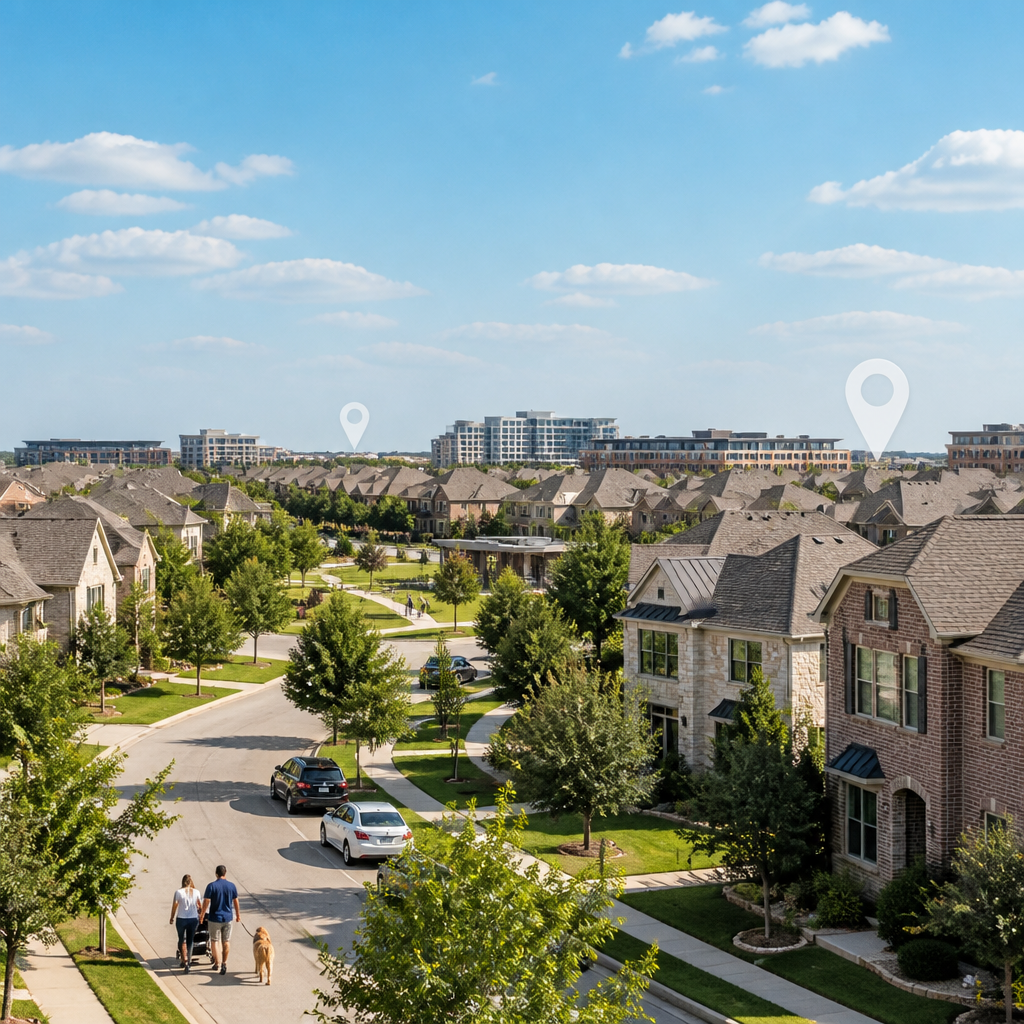
Discover Your Dream Home: Frisco TX Homes for Sale in 2026
Discover Your Dream Home: Frisco TX Homes for Sale in 2026 Frisco’s rapid growth continues to reshape the landscape of Frisco TX homes for sale, drawing buyers from across North Texas and beyond. According to the U.S. Census Bureau, Frisco’s population increased by roughly 71% between 2010 and 2020,
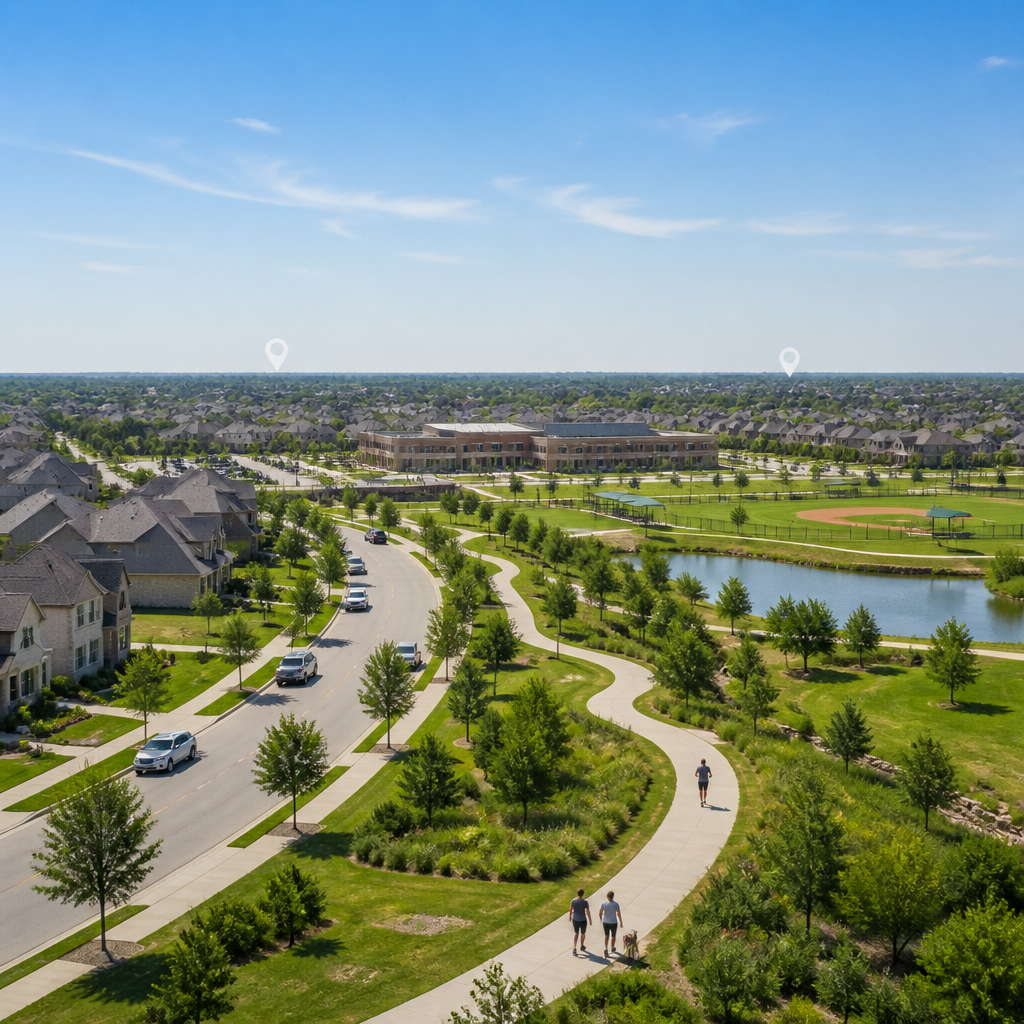
Experience Luxury: The Best Prosper TX Properties Available in 2026
Experience Luxury: The Best Prosper TX Properties Available in 2026 Prosper continues to rank among North Texas’s most desirable luxury corridors, combining master-planned amenities with strong school performance. According to Niche, Prosper’s population has grown by roughly 30% over the past few ye